Introduction
In the pharmaceutical world, trust is everything. When a patient takes a tablet, syrup, or injection, they rely on the assurance that it is safe, effective, and manufactured under strict supervision.
That trust is not automatic. It is built through strong quality systems, routine inspections, and compliance with internationally recognized standards. One of the most important quality benchmarks in the pharma sector is WHO-GMP Certification.
In this blog, we explain in simple and practical language what this certification means, why it matters for businesses, and how it protects patients.
What Is WHO-GMP Certification?
WHO-GMP stands for World Health Organization – Good Manufacturing Practices. These are quality guidelines issued by the World Health Organization to ensure medicines are consistently produced and controlled according to international safety standards.
In India, implementation and monitoring involve regulatory authorities such as the Central Drugs Standard Control Organization (CDSCO), the Ministry of Health and Family Welfare, and State Drug Control Authorities.
These bodies ensure that pharmaceutical manufacturers follow Good Manufacturing Practices guidelines at every stage of production—from sourcing raw materials to final packaging.
Why Is This Certification Important?
Ensures Medicine Safety
When a company follows GMP certification in the pharma industry, it must maintain clean production areas, use tested raw materials, follow proper storage procedures, prevent contamination, and keep detailed production records.
This structured system significantly reduces the risk of incorrect dosage, impurities, product instability, and batch failures. For patients, this means safer and more reliable medicines.
Builds Global Trust
A WHO-GMP certified pharma company in India gains strong credibility both domestically and internationally. Certification enables companies to export medicines to global markets, participate in government tenders, build trust among healthcare providers, and strengthen distributor confidence.
Many importing countries require compliance with Pharmaceutical quality standards in India before approving products for sale.
What Do Good Manufacturing Practices Guidelines Cover?
Good Manufacturing Practices are detailed and systematic. They cover every aspect of pharmaceutical production.
Manufacturing Environment
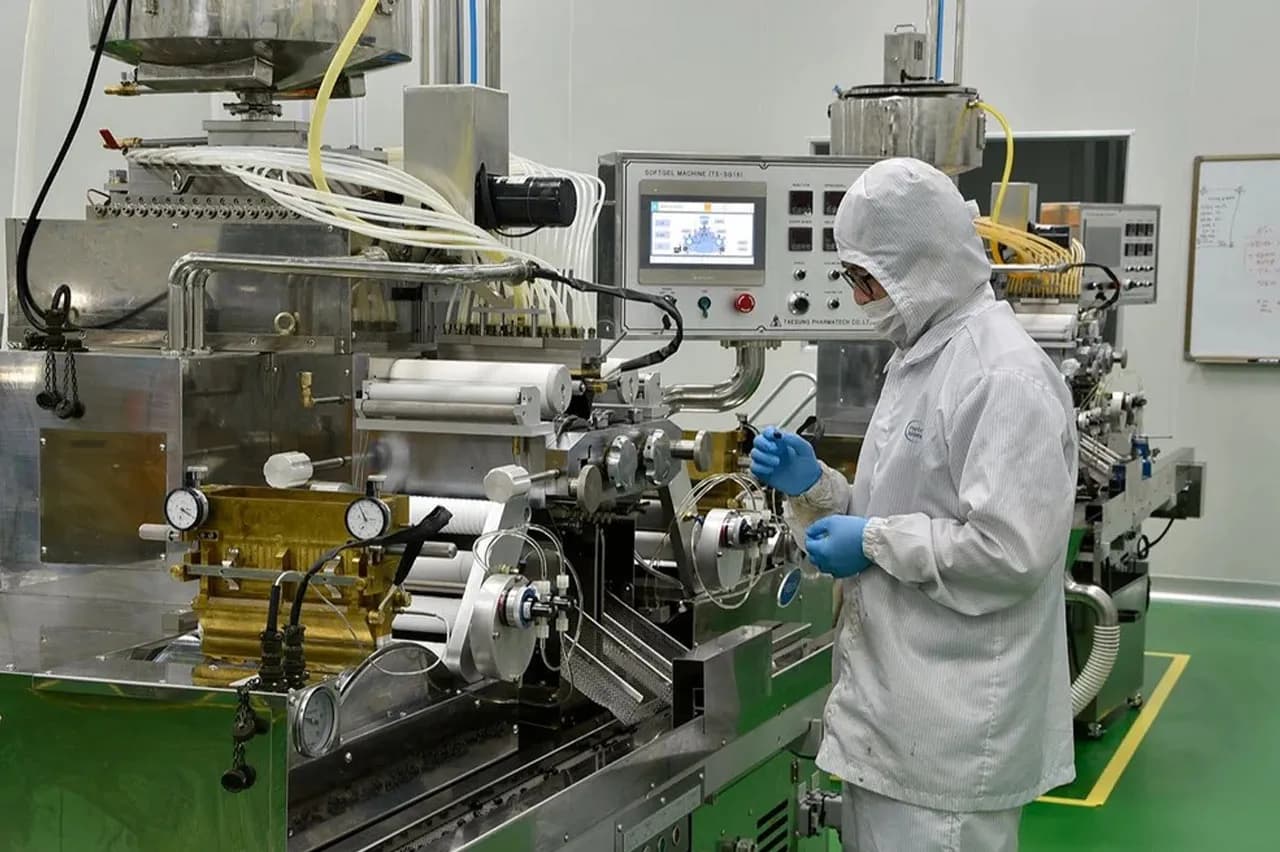
The guidelines require cleanroom standards, controlled temperature and humidity, and proper ventilation systems. This prevents contamination and maintains product stability.
Equipment and Machinery
All machinery must undergo regular calibration, scheduled maintenance, and process validation to ensure accurate and consistent output.
Documentation and Record Keeping
Proper batch manufacturing records, standard operating procedures (SOPs), and quality control reports must be maintained. Documentation ensures traceability and accountability.
Staff Training
Employees receive hygiene training, technical skill development, and safety awareness programs. Skilled and informed personnel are essential for maintaining compliance.
When GMP certification norms are properly followed, production becomes consistent, controlled, and predictable.
How Certification Benefits Patients
Although certification may seem like a business matter, it directly impacts patient health.
Without proper GMP systems, there may be risks such as contamination, dosage errors, poor storage conditions, and weak documentation.
With proper GMP compliance, hygiene controls are strictly enforced, measurement systems ensure dosage accuracy, storage conditions are regulated, and complete traceability is maintained.
As a result, patients benefit from better drug effectiveness, lower risk of side effects, consistent quality across batches, and confidence in branded medicines.
Role of Indian Regulatory Authorities
In India, pharmaceutical inspections are conducted under the Drugs and Cosmetics Act. Authorities inspect manufacturing facilities, review quality documentation, conduct sample testing, and issue compliance approvals.
The Central Drugs Standard Control Organization regularly updates compliance requirements to align with evolving global standards.
This strong regulatory framework reinforces Pharmaceutical quality standards in India and supports the country’s export growth.
How Companies Obtain Certification
Obtaining WHO-GMP Certification is a structured and thorough process.
Infrastructure Setup
Manufacturers must build compliant production facilities, install validated equipment, and establish well-equipped quality control laboratories.
Documentation Preparation
Companies prepare detailed SOPs, maintain staff training records, and develop structured batch manufacturing protocols.
Inspection and Audit
Regulatory authorities conduct detailed inspections. Any non-compliance observations must be corrected before final approval is granted.
Becoming a WHO-GMP certified pharma company in India requires continuous improvement, not just a one-time inspection.
Impact on Exports and International Markets
India is one of the world’s largest exporters of generic medicines. WHO-GMP Certification helps companies meet international buyer requirements, participate in global tenders, expand into regulated markets, and build long-term trade relationships.
Strong GMP certification standards are often the first requirement before international partnerships begin.
Common Misconceptions About WHO-GMP
Myth 1: It Is Only Needed for Export
Even for domestic markets, GMP compliance strengthens brand credibility. Hospitals, institutions, and distributors often prefer certified suppliers.
Myth 2: It Is a One-Time Process
WHO-GMP is not a one-time approval. Regular inspections, continuous documentation, and ongoing compliance are mandatory. Non-compliance can lead to suspension or cancellation of certification.
Good Manufacturing Practices guidelines must be followed every day.
Why Businesses Should Prioritize GMP Compliance
If you are a pharma marketer or distributor, it is essential to partner only with certified manufacturers. Always request documentation proof, verify inspection records, and check renewal validity before finalizing partnerships.
Certification protects your brand reputation and reduces business risk.
Quality Beyond Certification
While certification is critical, forward-thinking companies go further by focusing on ethical raw material sourcing, digital quality management systems, automation in production, and detailed stability testing.
These measures enhance Pharmaceutical quality standards in India and strengthen long-term competitiveness.
Red Flags to Watch For
Be cautious if a manufacturer hesitates to share certification documents, has expired approvals, provides inconsistent documentation, or avoids factory visits.
Always verify compliance through official regulatory sources to ensure authenticity.
Frequently Asked Questions (FAQs)
1. Is WHO-GMP Certification mandatory in India?Basic GMP compliance is mandatory. WHO-level certification is particularly important for exports and institutional contracts.
2. How often are inspections conducted?Inspections may be periodic or surprise-based, depending on regulatory schedules and risk assessments.
3. Does certification guarantee 100% safety?Certification significantly reduces risk by enforcing structured systems, but companies must maintain ongoing compliance.
4. Can small pharma companies get certified?Yes, provided they meet infrastructure, documentation, and regulatory standards.
5. How can I verify a manufacturer’s certification?You can check regulatory authority websites or request official copies of valid certification documents.
Final Thoughts: Quality Is Non-Negotiable
In the pharmaceutical industry, quality is not optional—it is essential. WHO-GMP Certification acts as a powerful trust signal that a company follows international standards, maintains strict hygiene controls, documents every stage of production, and prioritizes patient safety.
For patients, it means confidence in every dose.For businesses, it means global credibility.For exporters, it means access to international markets.
As the pharmaceutical industry continues to grow, compliance with Good Manufacturing Practices guidelines will remain the foundation of trust and sustainability.
Choosing a WHO-GMP certified pharma company in India is not merely a regulatory decision—it is a commitment to safety, quality, and long-term global trust.