Introduction
India has long been known as the “Pharmacy of the World.” From supplying affordable generic medicines to exporting life-saving drugs across continents, the country plays a vital role in global healthcare.
Today, the conversation is shifting. It is no longer just about production volume—it is about innovation, technology, quality, and sustainability. The Pharmaceutical Manufacturing sector in India is entering a transformative era.
In this blog, we explore the future of the pharma industry in India, key growth drivers, emerging innovations, and what this transformation means for businesses, healthcare providers, and patients.
India’s Strong Foundation in Pharma
Before discussing the future, it is important to understand India’s current position. According to the Ministry of Chemicals and Fertilizers (Department of Pharmaceuticals) and the Central Drugs Standard Control Organization (CDSCO), India:
- Is among the largest producers of generic medicines globally
- Supplies vaccines to more than 150 countries
- Has over 10,000 manufacturing facilities
- Maintains strict regulatory oversight
Key regulatory authorities include the Ministry of Health and Family Welfare, CDSCO, and State Drug Control Departments. This strong regulatory framework supports long-term Indian pharmaceutical market growth and builds global confidence.
Key Growth Drivers in the Indian Pharma Sector
The future of the pharma industry in India is supported by several structural advantages.
1. Growing Domestic Demand
India’s rising population, increasing life expectancy, and greater awareness of chronic diseases are expanding healthcare demand. Health insurance coverage is improving, and healthcare infrastructure is rapidly developing in tier-2 and tier-3 cities.
As access to healthcare improves, the need for high-quality and affordable medicines continues to grow.
2. Government Support and Policy Push
The Government of India has introduced multiple initiatives to strengthen Pharmaceutical Manufacturing, including:
- Production Linked Incentive (PLI) scheme
- Promotion of bulk drug parks
- Incentives for Active Pharmaceutical Ingredient (API) manufacturing
- Policies encouraging self-reliance in drug raw materials
These measures reduce dependency on imports and strengthen domestic capabilities.
3. Export Opportunities
India exports medicines to highly regulated markets such as the United States, European Union, Africa, and Southeast Asia.
With strong compliance standards and cost-effective production, Indian manufacturers are gaining increasing global trust.
Major Growth Areas in the Coming Years
Biologics and Biosimilars
The demand for advanced treatments in oncology and autoimmune diseases is rising. India is investing in complex biologic drugs and expanding specialized facilities.
Biologics and biosimilars represent one of the most promising opportunities in the future of the pharma industry in India.
Vaccines and Preventive Healthcare
India has already demonstrated global leadership in vaccine production. Future focus areas include:
- mRNA vaccine development
- Pandemic preparedness
- Cold chain logistics innovation
Preventive healthcare will remain a major pillar of growth.
Specialty and High-Value Medicines
Lifestyle diseases such as diabetes and heart disorders are increasing. As a result, demand for specialty medicines is expanding in areas like:
- Oncology
- Cardiology
- Diabetes management
- Rare disease treatments
High-value and specialized drug manufacturing will see substantial growth in the coming decade.
Pharma Manufacturing Innovations Shaping the Industry
Innovation is redefining how medicines are produced.
Automation and Smart Factories
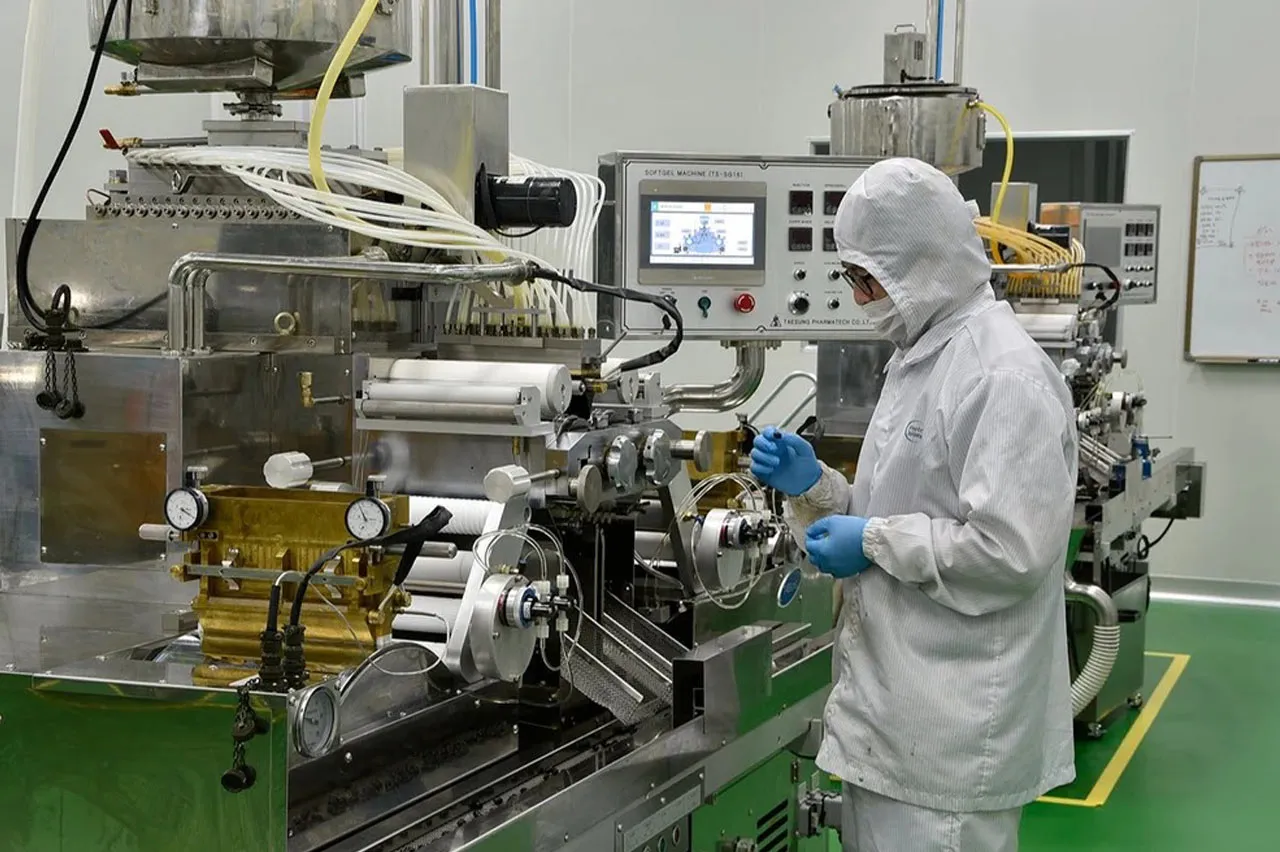
Modern pharmaceutical plants are adopting robotics in packaging, automated quality checks, real-time production monitoring, and AI-driven predictive maintenance.
These pharma manufacturing innovations reduce human error and improve consistency.
Continuous Manufacturing Systems
Traditional batch-based production is gradually shifting toward continuous manufacturing.
This approach offers faster production cycles, reduced waste, lower costs, and improved scalability, supporting sustainable expansion.
Digital Quality Management
Advanced digital systems now track raw materials, monitor batch records, manage documentation, and ensure audit readiness.
Digitalization enhances transparency and strengthens regulatory compliance.
Advanced Drug Manufacturing Technologies Transforming the Future
3D Printing of Medicines
Although still emerging, 3D printing technology allows customized dosage strengths and personalized treatment. This can improve patient adherence and therapeutic outcomes.
It is one of the most promising advanced drug manufacturing technologies.
Nanotechnology in Drug Delivery
Nanotechnology improves drug absorption, enables targeted delivery to specific organs, and reduces side effects.
Such advancements directly enhance patient safety and treatment effectiveness.
Green and Sustainable Manufacturing
Environmental responsibility is gaining importance. Companies are adopting energy-efficient plants, water recycling systems, reduced chemical waste processes, and eco-friendly packaging.
Sustainability will play a major role in long-term Indian pharmaceutical market growth.
Impact on Patients: What Does This Mean?
While industry transformation may seem business-focused, the ultimate impact is on patients.
Advancements in Pharmaceutical Manufacturing will lead to:
- Safer medicines
- Improved quality control
- Faster access to life-saving treatments
- More affordable options
- Personalized therapies
Stronger manufacturing standards ensure medicines remain consistent, effective, and safe.
Traditional vs Future Manufacturing
The industry is shifting from batch-based production to continuous systems. Manual quality checks are being replaced with real-time digital monitoring. Paper-based documentation is transitioning to fully digital systems.
Sustainability practices are reducing waste, and personalized medicine is becoming a realistic possibility.
This transformation supports both business growth and patient welfare.
Challenges That Need Attention
Despite strong growth potential, certain challenges remain:
- Dependence on imported APIs
- Regulatory harmonization with global markets
- Need for skilled workforce development
- High infrastructure investment costs
However, strong government policies and industry collaboration can address these challenges effectively.
Role of Third-Party Manufacturing in Future Growth
As demand rises, outsourcing will continue to expand. Third-party manufacturing allows companies to:
- Launch products faster
- Reduce capital investment
- Scale efficiently
- Access advanced manufacturing technologies
This model will support flexibility and innovation.
Digital Transformation and Data Security
As the industry embraces digital systems, cybersecurity becomes critical. Data privacy regulations must be followed, and cloud-based systems require strong compliance safeguards.
Companies investing in secure digital infrastructure will gain a competitive advantage.
Investment and Startup Ecosystem
India is witnessing rapid growth in biotech startups, increased venture capital funding, expansion of research partnerships, and strong academic-industry collaboration.
These developments significantly strengthen the future of the pharma industry in India.
How Businesses Should Prepare
Pharma marketers and entrepreneurs should focus on partnering with technology-driven manufacturers, ensuring WHO-GMP compliance, specializing in targeted therapeutic areas, investing in regulatory documentation, and building long-term quality partnerships.
Strategic planning and adaptability are essential in this evolving environment.
Frequently Asked Questions (FAQs)
1. Is India becoming a global leader in pharma manufacturing?Yes, India is already a major global supplier of generic medicines and vaccines, and its leadership is expanding through innovation and regulatory compliance.
2. What technologies are shaping the future?Automation, AI-based monitoring, nanotechnology, 3D printing, and continuous manufacturing are key drivers.
3. How does this growth benefit patients?It improves medicine safety, affordability, availability, and quality standards.
4. Will outsourcing increase in the future?Yes, third-party partnerships are expected to grow as companies seek scalability and cost efficiency.
5. Is sustainability important in pharma manufacturing?Absolutely. Green manufacturing reduces environmental impact and supports long-term industry stability.
Final Thoughts: A Transformational Decade Ahead
The future of the pharma industry in India is not just about expansion—it is about evolution.
With strong government support, regulatory oversight, rising domestic demand, and rapid technological advancement, the next decade will redefine Pharmaceutical Manufacturing in the country.
Innovation, sustainability, automation, and patient-centric production will define success.
For businesses, this is the time to invest in compliance, embrace digital transformation, focus on quality, and build strategic partnerships.
For patients, it means better access to safer, more advanced, and more affordable medicines.
India’s pharma journey is entering a new chapter—one driven by innovation, responsibility, and global trust.